

BEST IMMIGRATION SERVICES

Study in Canada

Canada has long been recognized as a welcoming destination for immigrants, offering a high quality of life, robust economic opportunities, and a commitment to multiculturalism.

In 2025, Canada’s immigration policies continue to evolve, reflecting the nation’s efforts to balance economic growth with sustainable development. This guide provides a detailed overview of Canada’s immigration landscape, focusing on education, employment opportunities, and relevant policies.

Historical Context of Immigration and Education

Canada’s history of immigration is integral to its national identity. Since the Confederation in 1867, the country has relied on immigration to fuel population growth and economic development. The post-World War II era saw significant immigration reforms, leading to a more inclusive and diversified immigrant population.

In the realm of education, Canada’s institutions have gained international acclaim for their quality and inclusivity. The 1960s marked a significant expansion of the higher education system, accommodating a growing number of domestic and international students. Over the decades, Canada’s commitment to accessible and high-quality education has attracted students worldwide.

Education System Overview

Primary and Secondary Education

Education in Canada is primarily the responsibility of provincial and territorial governments, leading to variations across regions. However, there are commonalities:

Post-Secondary Education

Canada boasts a diverse range of post-secondary institutions, including universities, colleges, and vocational schools.

Canada’s education system is characterized by its emphasis on research, innovation, and inclusivity, making it an attractive destination for international students.

Top Universities & Institutions in Canada and Their Popular Programs (2025)

Canada is globally recognized for its academic excellence, innovation, and research-intensive environment. International students flock to Canadian institutions not just for the quality of education, but also for their strong industry ties, post-study work opportunities, and multicultual student support.

Below is a curated list of the most popular Canadian universities and colleges for international students in 2025, along with trending and high-demand programs:

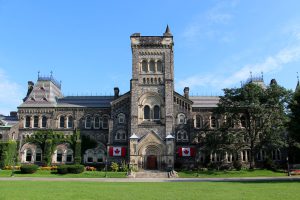
  • World Ranking (2025): Top 25 globally (QS & THE Rankings)
  • Notable Programs:
    • Artificial Intelligence & Data Science
    • Engineering (Civil, Mechanical, Software)
    • Life Sciences & Biotechnology
    • Business & Management (Rotman School of Management)
    • Public Health & Policy
  • WhyUofT?
    Flagship research university with a global reputation, strong industry collaborations, and located in Canada’s economic hub.
  • World Ranking: Top 40 globally
  • Notable Programs:
    • Environmental Sustainability & Forestry
    • Computer Science & Software Engineering
    • Psychology & Behavioural Sciences
    • Business Administration (Sauder School)
    • Oceanography & Marine Biology
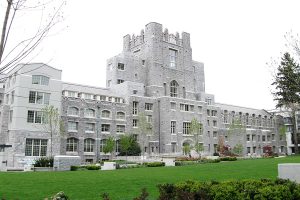
  • WhyUBC?
    Situated in one of the most beautiful cities in the world, UBC offers strong sustainability and innovation-focused education.

  • World Ranking: Top 50 globally
  • Notable Programs:
    • Medicine & Health Sciences
    • Neurosciences
    • International Development Studies
    • Law & Human Rights
    • AI & Robotics
  • WhyMcGill?
    A historic institution with strong ties to global research networks, located in a bilingual province offering cultural diversity and affordability.

  • Notable Programs:
    • Petroleum & Mining Engineering
    • Agricultural & Environmental Sciences
    • Public Health
    • Indigenous Studies
  • WhyUAlberta?
    Known for its specialized focus in energy, environment, and indigenous research with strong government and corporate partnerships.
  • Notable Programs:
    • Computer Science & Engineering
    • Co-op Education Programs (paid internships)
    • Finance, Actuarial Science, and Mathematics
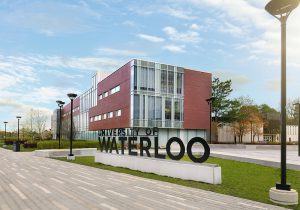
  • WhyWaterloo?
    Ranked among the best for tech and engineering globally. Known for its cooperative education (co-op) model that offers real-world work experience.
  • Notable Programs:
    • Law (Osgoode Hall Law School)
    • Human Rights & Equity Studies
    • Digital Media & Communications
    • Business & Economics (Schulich School)
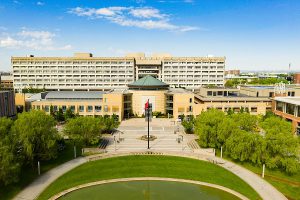
  • WhyYork?
    An affordable and diverse campus with a range of interdisciplinary and social justice-oriented programs.
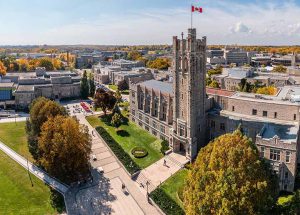
  • Notable Programs:
    • Business (Ivey Business School – highly ranked MBA & HBA)
    • Health Sciences
    • Law
    • Media Studies
  • WhyWestern?
    Known for a student-focused learning environment, strong alumni network, and industry-driven programs.

  • Notable Programs:
      • Criminology
      • Interactive Arts & Technology
      • Business Analytics
      • Environmental Science
  • WhySFU?
    Innovation-driven programs with easy access to Vancouver’s tech and film industry job markets.

  • Type: Public College of Applied Arts and Technology
  • Notable Programs:
    • Aviation (Pilot Training)
    • Animation & Game Design
    • Nursing & Practical Health Programs
    • Business Administration
  • WhySeneca?
    A top choice for skill-based programs that combine practical training with theoretical knowledge.

  • Notable Programs:
    • Hospitality & Tourism Management
    • Graphic Design & Creative Advertising
    • Child & Youth Care
    • Supply Chain Management
  • WhyHumber?
    Offers strong employability outcomes, internship opportunities, and direct pathways to work permits and PR.

  • Notable Programs:
    • Culinary Arts & Food Technology
    • Fashion Design
    • Health & Community Services
  • WhyGeorgeBrown?
    Located in downtown Toronto with hands-on curriculum and proximity to employers in booming sectors.

  • Notable Programs:
    • Digital Marketing
    • Engineering Technology
    • Biotechnology & Health Studies
  • WhyCentennial?
    Career-focused programs with strong international student services and pathway options.

Choosing the Right Institution

When choosing an institution, students should consider:

International Students in Canada

Trends and Statistics

Canada has experienced significant growth in its international student population over the past decade. As of the end of 2023, the country hosted over one million international students, marking a 200% increase since 2013. However, 2024 saw a 4% decline, attributed to policy changes and global factors.

Policy Changes in 2025

In response to concerns about housing shortages and public service strain, the Canadian government introduced a cap on international student permits:
These measures aim to balance the benefits of international education with sustainable community development.

Immigration Pathways

Canada offers various immigration pathways, catering to different profiles and objectives.
Express Entry System

The Express Entry system manages applications for three federal economic immigration programs:

In 2025, the system has shifted focus

Each province and territory (except Quebec and Nunavut) operates its own PNP, allowing them to nominate individuals based on specific economic and demographic needs. PNPs offer pathways for skilled workers, entrepreneurs, and graduates to obtain permanent residency.

Post-Graduation Work Permit (PGWP) International students who complete eligible programs can apply for a PGWP, allowing them to gain Canadian work experience:

International students who complete eligible programs can apply for a PGWP, allowing them to gain Canadian work experience:

PGWP holders can leverage this experience to apply for permanent residency through Express Entry or PNPs.​

Employment Opportunities and Key Industries

Canada’s labour market in 2025 presents various opportunities across sectors:

Healthcare

Cost of Living and Lifestyle

Canada offers a high standard of living, but costs vary by region:

Recent Policy Developments

Work Permit Flexibility

As of May 27, 2025, Canada has extended a temporary policy allowing foreign workers to change jobs without waiting for a new work permit. This measure aims to enhance labour market flexibility and better utilize foreign workers’ skills.

Asylum Policy Changes

On June 3, 2025, the Canadian government introduced a bill to tighten asylum policies, restricting eligibility based on entry methods and timing. This move reflects efforts to manage and potentially reduce the number of asylum claims.

Conclusion

Canada’s immigration landscape in 2025 reflects a dynamic balance between attracting global talent and ensuring sustainable development. The country’s commitment to high-quality education, diverse employment opportunities, and inclusive policies continues to make it a desirable destination for international students and professionals. Prospective immigrants should stay informed about policy changes and leverage available pathways to achieve their goals in Canada.